Creating a home office that feels inviting yet supports your productivity can make a big difference in how you work and feel throughout the day. Whether you’re working full-time from home, freelancing, or just need a dedicated spot for bills and planning, your workspace should blend comfort with functionality. Here are some helpful tips to design a cozy and efficient home office.
1. Choose the Right Location
Start by selecting a location that suits your work habits and lifestyle.
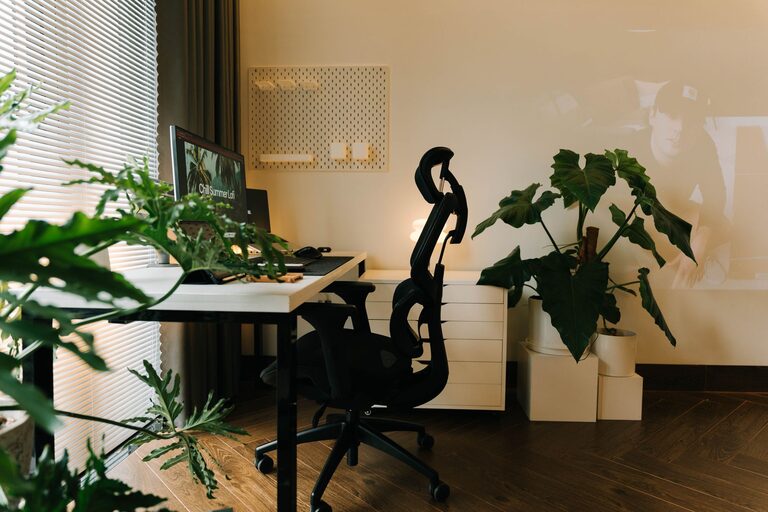
– Natural Light: If possible, pick a room or corner with plenty of natural light. Sunlight boosts mood and reduces eye strain.
– Quiet Area: Choose a space that’s away from household noise like TVs or kitchens to help maintain focus.
– Privacy: Having a dedicated space separate from your living or sleeping areas helps create boundaries between work and relaxation.
2. Invest in Comfortable, Ergonomic Furniture
Your comfort affects productivity, so invest wisely in your desk and chair.
– Ergonomic Chair: A chair with good lumbar support, adjustable height, and armrests can prevent back and neck pain.
– Desk Size: Ensure your desk has enough space for your computer, paperwork, and supplies without feeling cluttered.
– Adjustable Desk: If possible, consider a sit-stand desk to change positions throughout the day.
3. Optimize Lighting for Comfort and Focus
Lighting plays a crucial role in reducing eye fatigue and creating a cozy atmosphere.
– Layered Lighting: Combine natural light, overhead fixtures, and task lighting (like a desk lamp) for flexible illumination.
– Warm Light Bulbs: Use bulbs that emit warm light to create a relaxing environment but make sure your task lighting is bright enough for reading and screen work.
– Minimize Glare: Position your monitor perpendicular to windows to avoid glare that strains your eyes.
4. Personalize Your Space Tastefully
Adding personal touches makes the office more inviting but avoid clutter.
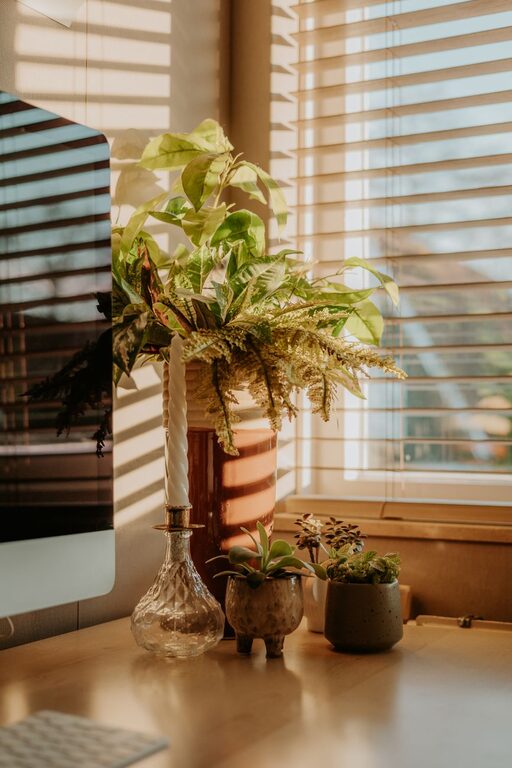
– Plants: A few potted plants bring freshness and improve air quality.
– Art and Photos: Display artwork or photos that inspire and calm you.
– Color Choices: Stick to soft, neutral tones or your favorite calming shades to promote focus without distractions.
5. Organize Efficient Storage Solutions
A tidy workspace improves workflow and reduces stress.
– Shelving: Use shelves or wall-mounted storage to free up desk space.
– Drawers and Containers: Keep small supplies organized with drawer dividers or containers.
– Cable Management: Use clips or sleeves to keep cables neat and prevent tangling.
6. Incorporate Technology Thoughtfully
Ensure your tech setup supports your tasks without overwhelming your space.
– Essential Devices Only: Limit your devices to those you truly need.
– Wireless Accessories: Use wireless keyboards and mice to reduce cord clutter.
– Reliable Internet: Invest in a strong internet connection for seamless communication and workflow.
7. Create Zones for Different Activities
If space allows, design zones for various work-related activities.
– Primary Work Area: Your desk for computer work and paperwork.
– Reading Nook: A comfortable chair or small sofa for reading or brainstorming.
– Storage Zone: Easily accessible shelves or cabinets for supplies.
8. Maintain a Healthy Work Environment
Comfort also comes from good air quality and temperature control.
– Ventilation: If possible, keep a window open or use air purifiers.
– Temperature Control: A small fan or heater can help you personalize your comfort.
– Declutter Regularly: Regularly cleanse your space to maintain a fresh and inviting environment.
9. Encourage Work-Life Balance
Your office design can help you separate work and personal time.
– Close the Door: If you have a separate room, close the door at the end of the day.
– End-of-Day Ritual: Turn off your computer, dim lights, or tidy your desk to signal the workday’s end.
– Comfortable Flooring: Use area rugs or cushioned mats to make the space warm and inviting.
Final Thoughts
Designing a cozy and functional home office doesn’t require a complete overhaul. By prioritizing comfort, organization, and personal touches, you can create a space that supports your productivity and well-being. Start with small changes and build a workspace that you enjoy spending time in — it’s an investment in both your work and your happiness.