
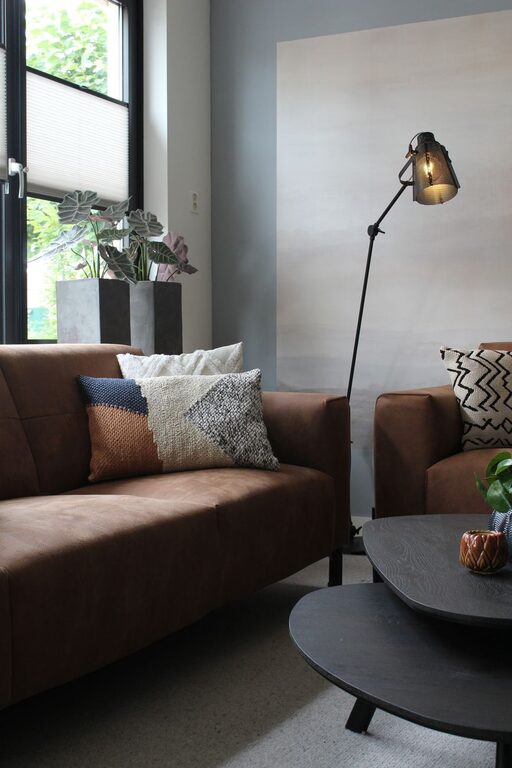
Creating a relaxing home environment can have a profound impact on your overall well-being. Your living space is where you recharge, unwind, and spend quality time with loved ones, so making it feel calm and comforting is a wonderful goal. Fortunately, you don’t need to undertake costly renovations or buy expensive furniture to achieve this. Simple decor changes can make a big difference in cultivating a peaceful atmosphere. Here are some practical tips to help you turn your home into a relaxing retreat.
1. Choose Soothing Color Palettes
Color influences mood more than we often realize. When it comes to creating a relaxing environment, soft, neutral, and muted tones work best. Colors like gentle blues, pale greens, and warm beiges promote tranquility and balance. You can apply these colors on walls, curtains, or even soft furnishings such as cushions and rugs.
Why colors matter:
– Light blues and greens are reminiscent of nature and can reduce stress.
– Warm neutrals like beige and soft grays create a cozy and inviting feel.
– Avoid overly bright or harsh colors that may energize or agitate the senses.
2. Incorporate Natural Elements
Bringing nature inside helps build a calming connection to the outdoors. Simple touches like houseplants, flowers, or natural materials add texture and freshness.
Easy ways to add natural elements:
– Place a few potted plants or succulents in common areas.
– Use wooden picture frames, furniture, or decorative bowls.
– Include bouquets or dried flowers on tables or shelves.
– Choose fabric or decor items made from natural fibers like cotton, linen, or jute.
3. Optimize Lighting for Comfort
Lighting is a powerful tool to influence mood. Harsh overhead lights can feel clinical and tense, so balancing different light sources is ideal.
Lighting tips:
– Use soft, warm bulbs instead of bright white or fluorescent lighting.
– Add table lamps, floor lamps, or string lights to create cozy nooks.
– Consider installing dimmer switches to adjust the brightness based on time of day or activity.
– Maximize natural light during the day by keeping windows clean and using light curtains.
4. Declutter and Simplify Your Space
A cluttered space often leads to a cluttered mind. Removing unnecessary items and organizing belongings can make your home feel more spacious and serene.
Steps to declutter effectively:
– Sort through possessions regularly and donate or recycle items you no longer need.
– Use attractive storage solutions like baskets, boxes, or shelves to keep things tidy.
– Keep flat surfaces clear, especially in living and sleeping areas.
– Create designated spots for everyday items such as keys, mail, and electronics.
5. Select Comfortable and Soft Textiles
Adding plush, inviting textiles instantly increases the comfort level of a room. These elements encourage relaxation by providing warmth and softness.
Textile ideas:
– Throw blankets and cushions with soft, natural fabrics.
– Area rugs to warm up hardwood or tile floors.
– Curtains or drapes that add both aesthetic value and reduce outside noise.
– Bedding made of breathable, comfortable materials.
6. Use Calming Scents and Sound
Sensory details enhance the relaxing atmosphere. Pleasant smells and gentle sounds can soothe your mind after a busy day.
How to create a calming ambiance:
– Use essential oil diffusers or scented candles with lavender, chamomile, or eucalyptus fragrances.
– Play soft background music or nature sounds, like rain or ocean waves.
– Consider a small water fountain to add the peaceful sound of flowing water.
7. Designate Relaxation Zones
Create specific areas in your home that are dedicated to rest and relaxation.
Ideas for relaxation spots:
– A cozy reading nook with a comfortable chair, good lighting, and a small side table.
– A meditation corner with a cushion, calming decor, and minimal distractions.
– An inviting bedroom setup focused on restful sleep with blackout curtains and minimal electronics.
8. Personalize Your Space Mindfully
While decorating, include items that bring you joy and positive feelings without overwhelming the senses.
Personal touches:
– Display meaningful artwork or photos, but keep arrangements simple.
– Incorporate meaningful objects that inspire calm but avoid clutter.
– Use decor that reflects your personality and taste, balanced with a calming tone.
—
Final Thoughts
Making your home more relaxing doesn’t have to be complicated or expensive. By focusing on simple decor changes—choosing the right colors, incorporating nature, optimizing lighting, reducing clutter, and creating comfort zones—you can enjoy a peaceful sanctuary that supports your well-being every day. Start small and gradually introduce these ideas that resonate with your lifestyle, and you’ll soon notice the positive effects on your mood and comfort in your living space.